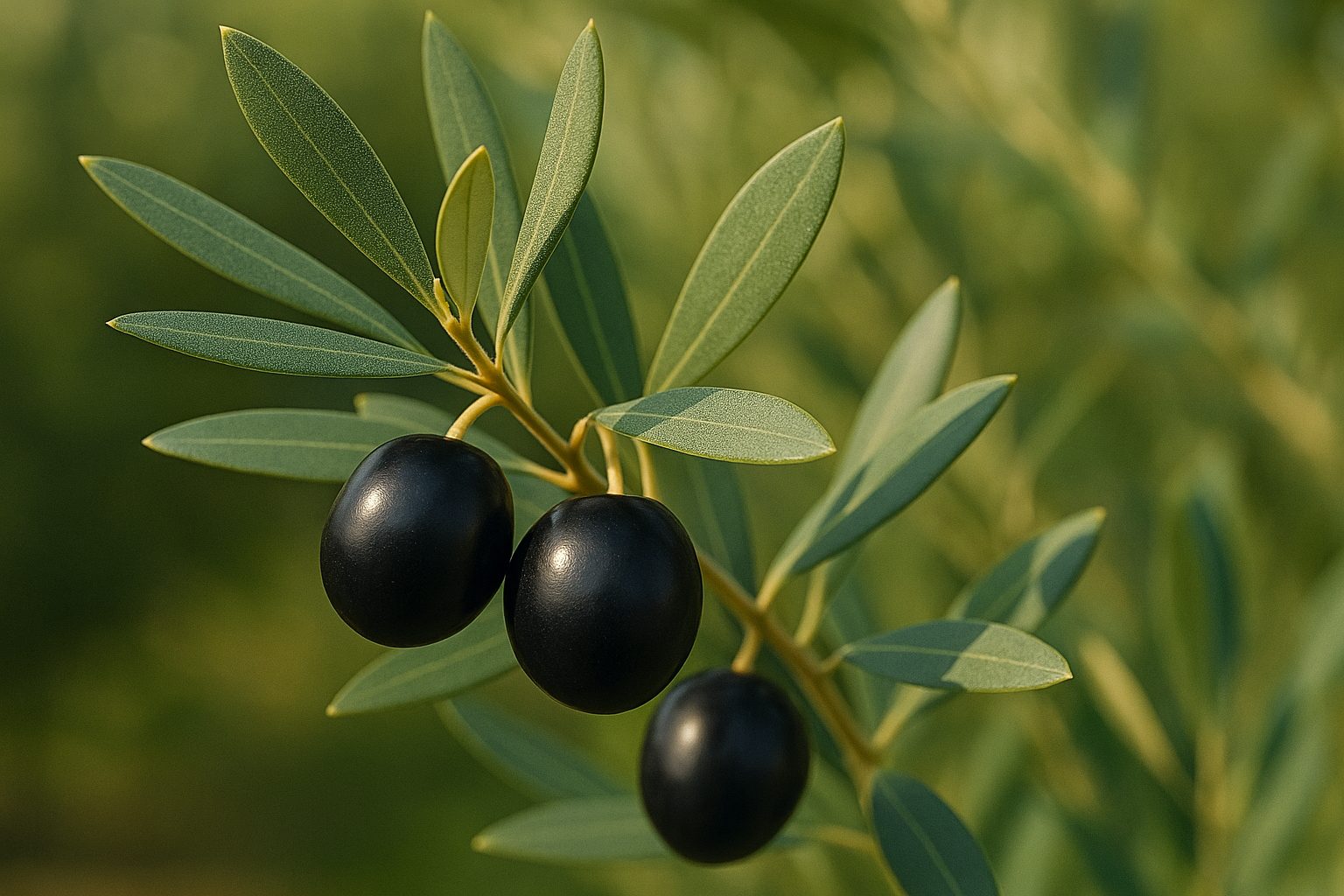
The olive tree (Olea europaea) boasts a storied history that stretches back millennia. Esteemed for its adaptable fruit, oil, and symbolic implications, the olive tree holds a revered position across diverse cultures worldwide. In this discourse, we embark on an exploration of the multifaceted olive plant, tracing its roots from antiquity to its contemporary applications.
Origins and Cultivation
Historical Mediterranean Roots: Originating in the Mediterranean basin, the olive tree flourishes in temperate climates with well-drained soil. Ancient civilizations such as the Greeks and Romans cultivated olives extensively for their prized oil and fruit.
Resilience and Vigor: Characterized by robustness, olive trees exhibit remarkable resilience, enduring droughts, rocky terrain, and minimal care. Their weathered trunks and silvery-green foliage contribute to a picturesque landscape that evokes tranquility.
I am an affiliate associate for the linked products. Your purchase through these links may earn me a commission, at no extra cost to you
Symbolism and Cultural Significance
Emblem of Peace and Abundance: The olive branch symbolizes peace and prosperity, with mythological roots tracing back to Greek lore. The offering of an olive tree by the goddess Athena to Athens epitomized harmony and affluence.
Religious Connotations: Found in sacred texts such as the Bible and the Quran, olives hold spiritual significance. The Mount of Olives in Jerusalem serves as a revered site for Christians, Jews, and Muslims alike, underscoring its universal reverence.
Honors of Antiquity: In ancient times, victors of the Olympic Games were crowned with olive wreaths, emblematic of triumph and distinction.
Health Benefits
Promotion of Cardiac Wellness: Olive oil, derived from olives, features prominently in the Mediterranean diet for its monounsaturated fats, which contribute to heart health by modulating cholesterol levels.
Antioxidant Richness: Olives harbor polyphenols, potent antioxidants that shield cells from oxidative stress, fortifying the body’s defenses against aging and disease.
Alleviation of Inflammation: The anti-inflammatory properties of olive oil confer therapeutic benefits, offering relief for conditions such as arthritis and cardiovascular ailments.
Culinary Applications
Elevated Culinary Experience with Extra Virgin Olive Oil: Renowned for its purity and flavor, extra virgin olive oil, obtained through cold pressing and minimal processing, enhances the taste of salads, pasta, and grilled dishes.
Versatility of Table Olives: Both green and black olives serve as versatile ingredients, elevating the flavor profile of Mediterranean-inspired dishes or serving as delectable standalone appetizers.
Indulgence in Tapenade: A delectable blend of olives, capers, and herbs, tapenade tantalizes the palate when spread on crusty bread, offering a burst of savory delight.
Practical Tips for Olive Tree Cultivation
Certainly, cultivating an olive tree (Olea europaea) at home presents a gratifying endeavor. Here are steps to foster successful growth:
Optimal Site Selection:
Choose a sun-drenched location, ensuring exposure to at least six hours of sunlight daily.
For regions with colder climates, opt for a sheltered spot to shield the tree from frost.
Preparation of Soil:
Ensure well-drained soil, blending a mix of chalk, clay, loam, and sand to provide optimal conditions.
For in-ground planting, enrich the soil with organic fertilizers and adjust pH levels as necessary.
Planting Techniques:
Introduce mycorrhizal fungi when planting in the ground to facilitate rapid establishment.
Opt for compact varieties when planting in containers to manage space constraints effectively.
Watering and Nutrient Management:
Provide consistent moisture without overwatering, as olive trees are drought-tolerant.
Exercise moderation in fertilization, as olives typically thrive without excessive nutrient supplementation.
Pruning and Maintenance:
Regular pruning preserves the tree’s shape and size while removing diseased or dead branches.
Shield young trees from frost during winter months and maintain clear space around the roots to prevent competition from vegetation.
Harvesting Practices:
Monitor olive ripening, typically occurring between November and February, and harvest when the fruits attain their characteristic hue, whether green or black.
Mitigation of Diseases and Pests:
Conduct routine inspections for signs of infestation or disease, implementing preventive measures through proper care and vigilant maintenance.
In conclusion, while olive trees may exhibit slow growth, their enduring vitality and the satisfaction of nurturing one’s own olives render the journey immensely rewarding. Embrace the patience inherent in this endeavor, and relish the bountiful yields that ensue, symbolizing not only the richness of nature but also the enduring legacy of an ancient and versatile tree.
References:
Smith, J. (2020). The Olive Tree: A Cultural History. University of California Press.
García, M. A., & López-López, A. (Eds.). (2018). Olives and Olive Oil in Health and Disease Prevention. Academic Press.