Whether you have limited space, a small balcony, or simply want to enjoy fresh produce right at your doorstep, pot or container gardening is an excellent solution. Let’s delve deeper into the art of growing vegetables in pots and containers. In this extended guide, we’ll explore additional tips, techniques, and specific vegetables that thrive in confined spaces.
1. Choose a Suitable Location
Before you start planting, consider the following factors:
Sunlight: Vegetables thrive in direct sunlight. Choose a spot that receives at least 6 hours of sunlight per day. South-facing balconies or windowsills are ideal.
Protection from Wind: Strong winds can damage delicate plants. Position your containers in a sheltered area.
Accessibility: Ensure your chosen location is convenient for regular care and maintenance.
2. Selecting pots & Containers
The right containers are crucial for successful vegetable gardening. Here’s what to look for:
Size: Larger pots are better, especially for beginners. Aim for containers that are at least 10 inches wide and 12 inches deep. This provides plenty of space for root growth.
Drainage Holes: Containers must have adequate drainage holes to prevent waterlogging. Excess water can lead to root rot.
Material: Lightweight containers (such as plastic or resin) are easier to move around. Avoid treated wood containers, as they may contain chemicals harmful to plants.
3. Choose the Right Soil
Healthy soil is the foundation for successful container gardening:
Use a quality organic potting mix with good drainage. Avoid garden soil, as it tends to compact in containers.
Mix in some compost or well-rotted manure to enrich the soil.
4. Select Your Vegetables
Not all vegetables thrive in containers, but many do exceptionally well. Consider these options:
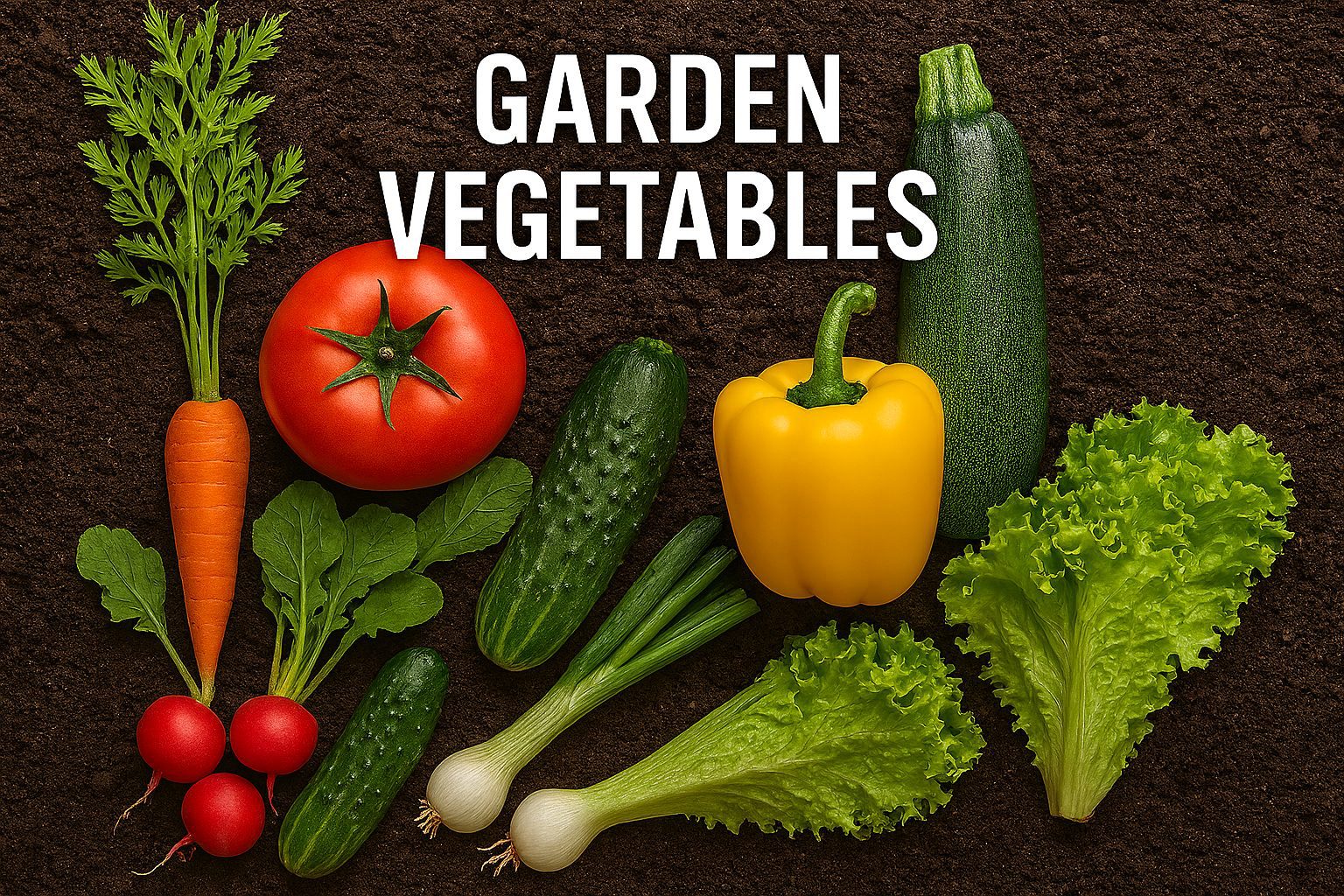
Lettuce: Perfect for small spaces. Plant loose-leaf or butterhead varieties.
Cherry Tomatoes: Compact and prolific. Choose determinate varieties that don’t require staking.
Herbs: Basil, parsley, mint, and chives grow beautifully in pots.
Radishes: Quick-growing and space-efficient.
Peppers: Bell peppers and chili peppers thrive in pots. Choose compact varieties.
Carrots: Select shorter carrot varieties to avoid overcrowding. Thin them out as they grow.
5. Planting and Care
Now that you’ve prepared, let’s get planting:
Start Seeds or Buy Young Plants: You can either start seeds directly in containers or purchase young vegetable plants from a garden center.
Spacing: Follow the spacing recommendations for each vegetable. Overcrowding can lead to poor growth.
Depth: Plant seeds or seedlings at appropriate depth. Generally, it’s about twice the seed’s diameter.
Water Regularly: Check soil moisture often. Water when the top inch of soil feels dry. Avoid overwatering, especially in terra-cotta pots. Water thoroughly after planting. Keep the soil consistently moist but not waterlogged.
Fertilize: Use a balanced, water-soluble fertilizer suitable for vegetables. Follow the recommended guidelines for application.
Mulch: Add a layer of organic mulch (such as straw or shredded leaves) to retain moisture and suppress weeds.
6. Support for Tall Plants
If you’re growing tall or vining vegetables (like tomatoes or cucumbers), provide support:
Use wire cages or stakes to keep plants upright.
Train vines along trellises or vertical supports.
5. Caring for Your Container Garden
Maintaining your vegetable containers is essential for a bountiful harvest:
Watering: Check soil moisture regularly. Water when the top inch of soil feels dry. Adjust watering frequency based on weather conditions.
Fertilizing: Use a balanced, water-soluble fertilizer. Follow the instructions on the label. Organic options are also available.
Mulching: Add a layer of organic mulch (such as straw or shredded leaves) to retain moisture and suppress weeds.
Pest Control: Keep an eye out for pests like aphids, caterpillars, and snails. Use organic pest control methods whenever possible.
7. Harvesting
The joy of container gardening lies in harvesting your own fresh produce:
Enjoy the Bounty: From crisp lettuce leaves to juicy cherry tomatoes, relish the flavors of homegrown goodness.
Best vegetables for all seasons
Whether you’re a seasoned gardener or a beginner, growing your own produce can be incredibly rewarding. Here’s a guide to the best vegetables for each season:
1. Spring Vegetables
As temperatures rise and winter fades away, spring brings forth a delightful array of fresh produce. Some highlights include:
Artichokes: These tender, edible flower buds are a spring delicacy.
Asparagus: Known for its vibrant green spears, asparagus is a must-have in spring.
Fava Beans: Nutty and buttery, fava beans are a delightful addition to salads and stews.
Green Garlic: These curly shoots from garlic plants have a mild garlic flavor.
Pea Greens: Harvest young pea shoots for a delicate, sweet taste.
2. Summer Bounty
Summer is the peak growing season, offering an abundance of fruits and vegetables. Look out for these seasonal delights:
Tomatoes: Nothing beats the flavor of homegrown tomatoes. Cherry tomatoes, heirlooms, and beefsteaks all thrive in summer.
Cucumbers: Refreshing and versatile, cucumbers are perfect for salads and pickling.
Corn: Sweet corn on the cob is a classic summer treat.
Bell Peppers: These colorful peppers add vibrancy to your dishes.
Zucchini and Zucchini Blossoms: Harvest zucchinis when they’re young and tender.
Berries: Blueberries, blackberries, and raspberries are at their juiciest during summer.
3. Fall Harvest
Autumn brings a rich harvest of flavors. Some fall favorites include:
Pumpkins: Perfect for pies, soups, and roasted dishes.
Apples and Pears: Fall is apple and pear season, so indulge in crisp, juicy fruits.
Brussels Sprouts: These mini cabbages are packed with nutrients.
Cranberries: Tart and vibrant, cranberries are ideal for sauces and baked goods.
Edamame: Harvest soybeans when they’re young and green.
4. Winter Delights
Winter may be cold, but it’s the peak time for certain fruits and veggies. Enjoy these winter delights:
Citrus Fruits: Clementines, mandarins, pomelos, and tangerines bring a touch of sunshine to chilly days.
Winter Squash: Varieties like butternut, acorn, and spaghetti squash are perfect for hearty meals.
5. Year-Round Staples
Some vegetables are available year-round due to global distribution:
Carrots: These crunchy roots are versatile and nutritious.
Broccoli: Rich in vitamins, broccoli thrives in cooler weather.
Cauliflower: A close relative of broccoli, cauliflower is equally delicious.
Leafy Greens: Arugula, spinach, and kale is available throughout the year.
Remember, the joy of growing your own vegetables lies in savoring their freshness and flavor. Whether you have a garden or a few pots on your balcony, embrace the seasons and enjoy the bounty.
Looking to grow your knowledge in home gardening? Click Here to explore
Conclusion
Growing vegetables in pots is not only rewarding but also a great way to connect with nature. Container gardening allows you to create a thriving vegetable garden even in limited spaces. Whether you have a balcony, patio, or windowsill, follow these guidelines, experiment with different vegetables, and enjoy the rewards of your labor.